Moorestown NJ: Ideal for Philly Commuters?
Real Estate, Moorestown NJ, Commuting To Philadelphia
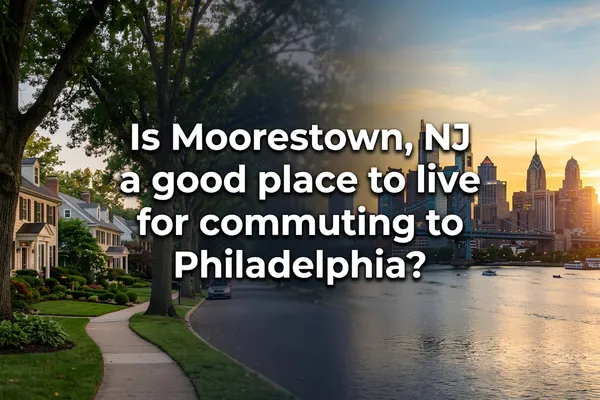
Is Moorestown, NJ a Good Place to Live for Commuting to Philadelphia?
If you work in Center City but dream of tree‑lined streets, historic homes, and top‑rated schools, Moorestown, NJ often lands on the shortlist. But is Living in Moorestown really practical if your daily reality involves commuting to Philadelphia? This guide takes a clear, balanced look at commute options, lifestyle, and housing to help you decide whether Moorestown deserves a spot among the best suburbs Philadelphia has to offer.
Where Is Moorestown, NJ and Why Do Commuters Notice It?
Moorestown, NJ sits in Burlington County, just across the Delaware River from Philadelphia, roughly 12–15 miles from Center City depending on your starting point. It is close to major highways like I‑295, Route 38, and the New Jersey Turnpike, which is a big reason many professionals consider it when evaluating the best suburbs Philadelphia commuters can choose from on the New Jersey side.
Beyond location, Moorestown is known for its historic downtown, strong community feel, and highly regarded public schools. Real estate data for 2026 shows it as a premium market: Zillow’s Home Value Index places the average home value around $768,000, while other sources estimate typical single‑family homes often selling in the $600,000–$650,000 range. That pricing reflects not just the homes themselves, but also the town’s reputation and its access to Philadelphia’s job market.
The Commute: How Long Does It Take to Get to Philadelphia from Moorestown?
The first question most people ask about Moorestown NJ is simple: how long will my commute actually take? The answer depends on your mode of transportation, your work hours, and your tolerance for traffic or transfers. Here is a realistic breakdown based on current options, which are likely to remain similar through 2026 unless major transit changes occur.
1. Driving by Car (30–45 Minutes in Typical Conditions)
For many residents, driving is still the default option when commuting to Philadelphia. The most direct route from Moorestown usually involves I‑295 and I‑676 over the Ben Franklin Bridge or a similar river crossing. In light to moderate traffic, you can reach Center City in about 30 minutes. During peak rush hour, that can stretch closer to 45 minutes or more, especially if there are accidents, construction, or weather issues.
The upside of driving is flexibility: you leave when you want, detour for errands, and avoid transfers. The downside is paying for parking in the city, bridge tolls if applicable, and the day‑to‑day unpredictability of highway traffic. If you are used to long suburban drives in other metro areas, Moorestown’s commute may feel manageable. If you are coming from a walk‑to‑work lifestyle, it can be an adjustment.
2. NJ Transit Buses to Philadelphia
For those who prefer not to drive every day, NJ Transit offers bus routes such as the 407 and 413 that connect Moorestown to Camden and Philadelphia. These buses typically take you into Center City or connect you to other transit lines. Travel times vary with traffic, but you can generally expect 45–60 minutes door to door, depending on where you live in Moorestown and where you work in Philadelphia.
Buses are appealing if you want to read, answer emails, or simply avoid the stress of driving. However, you do need to be comfortable with fixed schedules and potential delays during rush hour. As with any public transit, checking updated NJ Transit timetables is essential, especially as service adjustments can happen over time.
3. PATCO Speedline via Nearby Stations
Moorestown does not have its own PATCO station, but several nearby communities do, including Woodcrest and Lindenwold. Many Moorestown residents drive or take a local bus to one of these stations, park, and then ride PATCO directly into Center City. Once you are on the train, the ride to downtown Philadelphia is typically 20–25 minutes.
Factoring in your drive to the station and parking, your total commute may land in the 45–60 minute range. The advantage is reliability: PATCO runs frequently, and you are insulated from bridge backups and most highway incidents. For many people, this hybrid approach offers the best balance between suburban living and a predictable urban commute.
4. Carpooling, Rideshare, and Bike‑Plus‑Transit Options
Increasingly, professionals in the region are turning to carpools, employer‑organized shuttles, or rideshare services to make commuting to Philadelphia more cost‑effective and environmentally friendly. Some residents also bike to a nearby PATCO station in good weather and then take the train the rest of the way. These options require a bit more planning, but they can significantly reduce the stress and cost of daily driving.
💡 Pro Tip: Before committing to a home, test your intended commute at least twice—once at peak morning rush and once in the evening—to see how Moorestown’s routes feel in real life.
How Does Moorestown Compare to Other Top Philadelphia Suburbs?
When people search for the best suburbs Philadelphia has for commuters, names like Haddonfield, Collingswood, Ardmore, and Bryn Mawr often appear. Many of these towns sit directly on SEPTA Regional Rail or PATCO, offering quick, no‑transfer rides into the city. On paper, that can make them more convenient than Moorestown, especially if you insist on a train at your doorstep.
However, Moorestown competes strongly on overall quality of life. While Haddonfield and Collingswood enjoy direct PATCO service, Moorestown offers:
A classic, walkable historic downtown with independent shops and restaurants.
Highly rated public schools that consistently draw relocating families.
Larger lots and a mix of historic homes and newer construction.
A strong community identity, with local events, sports, and civic groups.
In other words, Moorestown may ask you to accept a slightly more involved commute compared with a town sitting directly on a train line, but it rewards you with a refined, small‑town atmosphere and strong long‑term value. That is precisely why it remains one of South Jersey’s more expensive markets, even as the broader New Jersey market has begun to normalize in 2026.
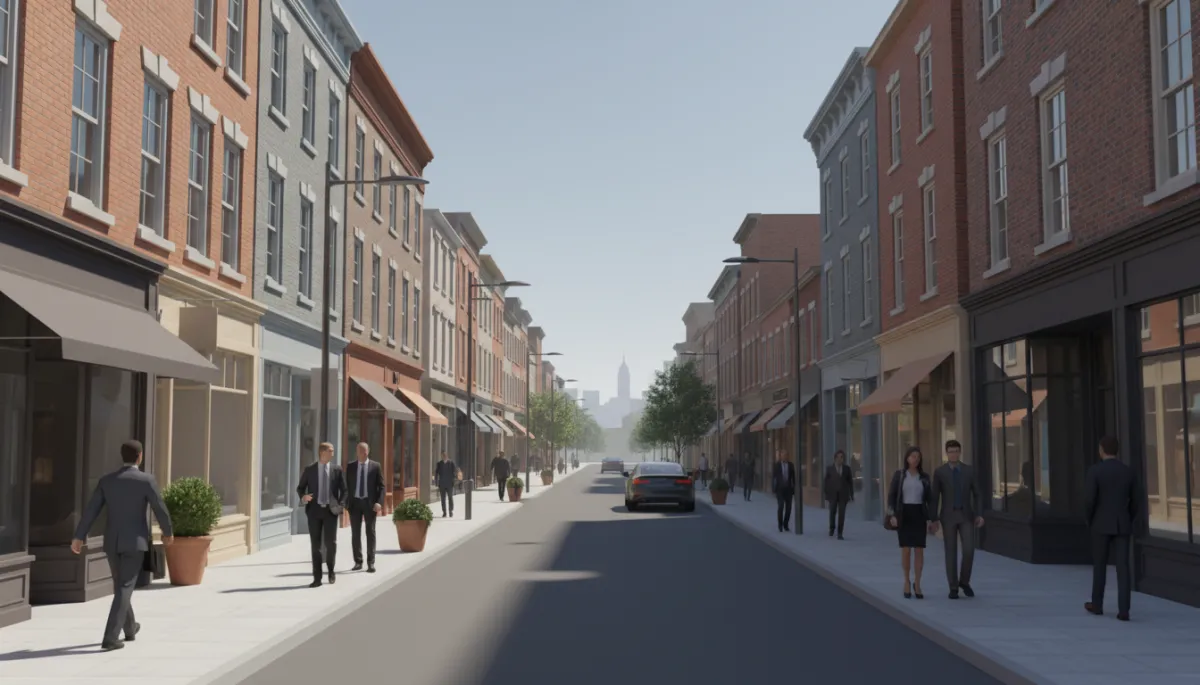
Moorestown blends small‑town charm with direct highway access to Center City jobs.
What Is It Really Like Living in Moorestown?
Understanding whether Living in Moorestown works for you means looking beyond the commute. Day to day, Moorestown feels like a classic Northeastern town with deep roots. The historic district features beautifully preserved homes, mature trees, and a walkable layout. Community events, youth sports, and local traditions give the town a close‑knit feel that many suburban buyers crave after years in the city.
From a housing perspective, 2026 data confirms that Moorestown is a premium market compared with neighboring towns like Mount Laurel or Evesham. Median listing prices hover in the high $800,000s, and even more conservative estimates place average home values solidly above county averages. That can be daunting for first‑time buyers, but it also signals long‑term stability and strong demand, particularly among professionals who want access to Philadelphia while enjoying a quieter, upscale environment at home.
📌 Key Takeaway: If your top priorities are schools, historic character, and community feel—and you are comfortable with a 30–60 minute commute—Moorestown delivers a lifestyle many consider worth the premium price tag.
Who Is Moorestown Best Suited For?
When evaluating whether Moorestown NJ is a good place to live for commuting to Philadelphia, it helps to think about different types of residents and how they might experience the town.
Hybrid workers: If you only commute to Center City a few days a week, Moorestown can feel almost ideal. You get the full benefit of its suburban lifestyle while limiting the number of long rush‑hour trips you make each week.
Families with school‑age children: Many families accept a longer commute in exchange for Moorestown’s schools and community amenities. For them, the town’s safety, parks, and educational reputation outweigh the extra time spent on the road or train.
City‑centric professionals without kids: If nightlife, walkability, and ultra‑short commutes top your list, you may prefer train‑oriented suburbs like Ardmore, Conshohocken, or Haddonfield. Moorestown offers a quieter, more residential feel with fewer late‑night options.
So, Is Moorestown, NJ a Good Place to Live for Commuting to Philadelphia?
Putting it all together, Moorestown absolutely deserves consideration among the best suburbs Philadelphia commuters look at—especially on the New Jersey side of the river. It may not offer a train station within town limits, but its combination of highway access, nearby PATCO stations, and NJ Transit bus routes makes daily travel into the city realistic for many professionals.
The trade‑off is clear: you accept a commute that is often between 30 and 60 minutes in exchange for a high‑quality suburban lifestyle, strong schools, and a historic, well‑kept town that holds its value. For hybrid workers, families, and anyone who values a classic small‑town feel without giving up access to a major city, Living in Moorestown can be an excellent choice.
If you are weighing Moorestown against other suburbs, ask yourself how often you will commute, how much you value direct rail access, and what kind of neighborhood you want to come home to. For many, Moorestown strikes that rare balance: close enough to Philadelphia to stay connected, yet far enough away to feel like a true retreat at the end of the day.